
Understanding the Aging Process in Mile High Canines
Comprehensive Denver senior dog care requires biannual veterinary wellness exams, proactive hydration support, and home mobility adaptations to protect aging canines from Colorado’s thin air and semi-arid climate. Adjusting daily exercise routines and monitoring breed-specific aging milestones helps manage joint stiffness, cardiovascular strain, and cognitive changes before symptoms advance.
Living along the Front Range offers incredible mountain views and sunny days, but our unique geography introduces distinct physiological challenges for aging canines. As dogs grow older, their cellular repair mechanisms slow down, cartilage thins, and organ function shifts. In the Denver metro area, our elevation sits at 5,280 feet or higher, creating atmospheric conditions that directly impact senior pet health.
The thin mountain air contains lower oxygen concentrations per breath compared to sea level. For a youthful dog, the body adapts effortlessly. In a senior pet with subclinical cardiac changes or declining lung elasticity, this reduced oxygen availability places subtle, persistent strain on the cardiovascular and respiratory systems. Aging dogs working through mild heart murmurs or early congestive heart failure will tire much faster in Denver than they would at lower elevations.
At the same time, our semi-arid climate creates chronic low-humidity conditions. Older dogs lose moisture rapidly through basic respiration and panting. Because age diminishes renal efficiency and blunts the natural thirst drive, senior dogs in Colorado face an elevated risk of systemic dehydration. When hydration levels drop, joint fluid thins, exacerbating stiffness and accelerating cartilage breakdown.
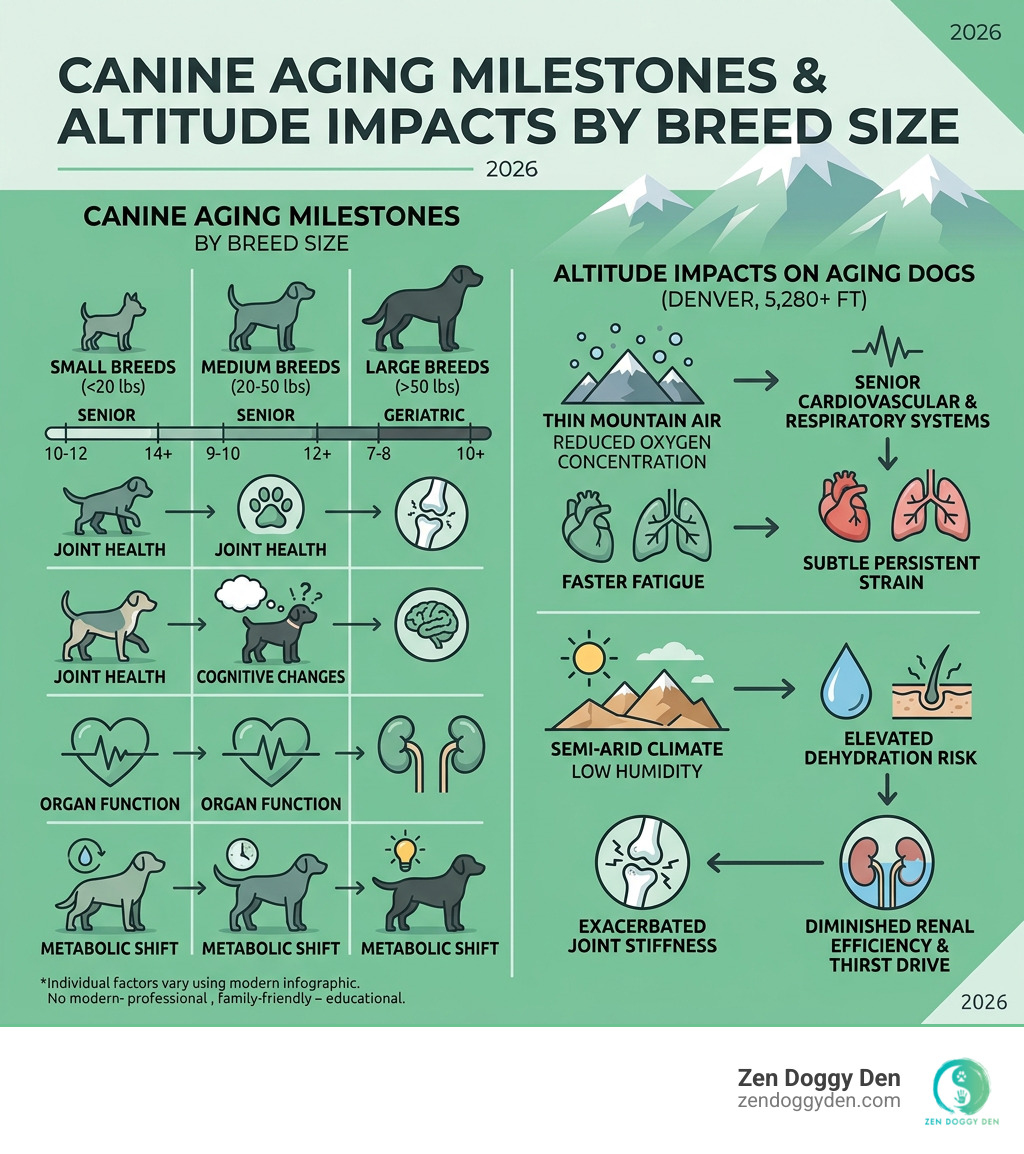
Early detection of age-related physical and cognitive changes is essential for maintaining comfort. Signs of aging in Denver dogs often include:
- Reluctance to climb stairs or jump into vehicles after outdoor outings
- Prolonged morning stiffness that worsens during cold Colorado cold snaps
- Excessive panting or slow recovery after brief strolls around the neighborhood
- Increased water intake paired with changes in urinary frequency
- Subtle cloudiness in the eyes (nuclear sclerosis or early cataracts)
- Hesitation in low-light environments or startle responses to sudden touch due to hearing loss
- Pacing, wandering at night, or vocalizing due to canine cognitive dysfunction
Understanding how your dog’s size dictates their aging timeline helps you anticipate these changes before they disrupt daily comfort.
Top Options for Denver Senior Dog Care and Veterinary Wellness
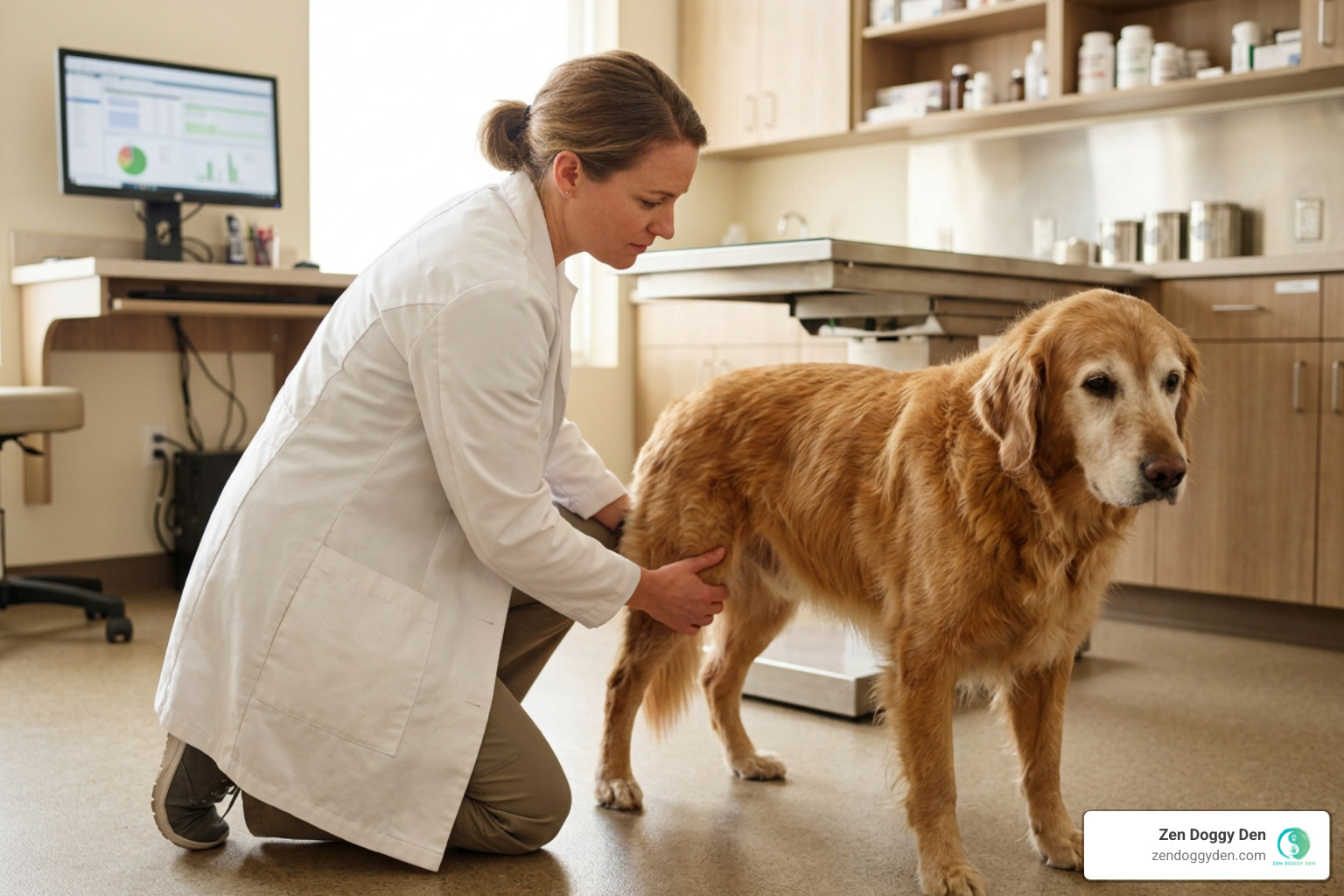
Managing an aging pet requires a solid network of veterinary clinicians, physical rehabilitation experts, and specialized caretakers. When evaluating providers throughout Denver, Wheat Ridge, Lakewood, Arvada, and Boulder, look for facilities that practice thorough geriatric diagnostics, low-stress handling, and tailored support plans.
Local veterinary hospitals approach senior health with proactive protocols designed for our unique climate. Full-service practices such as Founders Green Animal Hospital and 5280 Veterinary Care prioritize comprehensive diagnostic screenings that identify metabolic changes before physical symptoms become severe. Other neighborhood practices like Vida Veterinary Care, Animal Health Care Denver, Denver Vet Hospital in Thornton, and Downtown Animal Care Center focus heavily on chronic pain management, organ monitoring, and low-stress exams for geriatric patients. Clinics such as Livewell Animal Hospital in Sloan’s Lake also emphasize environmental wellness and nutritional adaptations for older pets.
Essential Veterinary Pillars of Denver Senior Dog Care
A robust senior wellness strategy relies on semi-annual clinical exams. Because dogs age significantly faster than humans, a six-month window represents roughly three to four years of biological change. Biannual evaluations allow your veterinarian to establish baseline trends and intervene early.
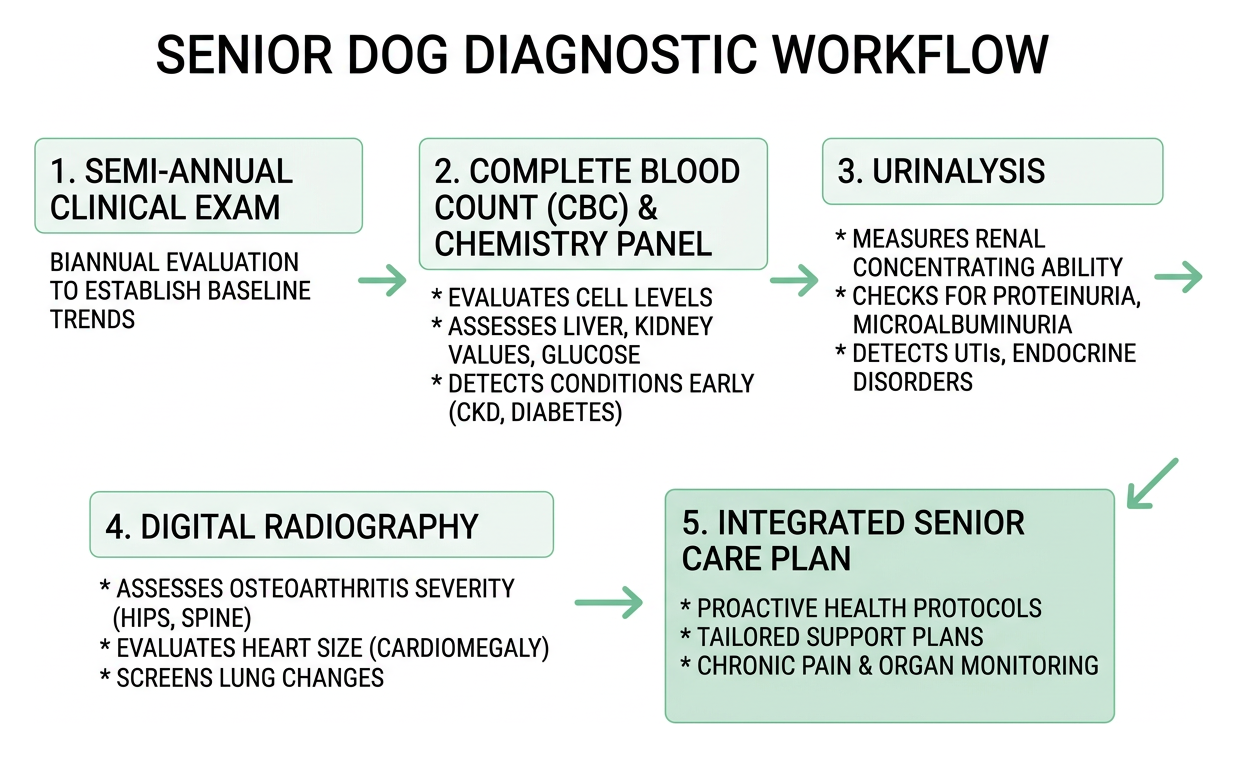
A comprehensive senior exam protocol typically incorporates:
- Complete Blood Count (CBC) and Chemistry Panel: Evaluates red and white blood cell levels while assessing liver enzymes, kidney values (BUN and creatinine), blood glucose, and total protein to detect conditions like chronic kidney disease or diabetes mellitus early.
- Urinalysis: Measures urine specific gravity to assess renal concentrating ability and checks for proteinuria, microalbuminuria, urinary tract infections, or early endocrine disorders.
- Digital Radiography: Low-radiation digital X-rays assess the severity of osteoarthritis in hips, stifles, and the spine, while also evaluating heart size (checking for cardiomegaly) and screening lungs for age-related changes.
- Non-Invasive Diagnostic Ultrasound: Provides soft-tissue imaging to detect structural abnormalities in abdominal organs such as the spleen, liver, and adrenals.
- Ophthalmic and Otic Evaluations: Checks intraocular pressure to screen for glaucoma, assesses lens clarity for cataracts, and monitors ear canal health.
- Comprehensive Dental Screenings: Examines periodontal health, oral masses, and broken teeth. Periodontal disease acts as a source of chronic pain and introduces systemic bacteria that can strain the heart and kidneys.
Non-Profit Senior Support and Hospice Advocacy
Senior canines facing displacement or requiring specialized end-of-life care have dedicated safety nets across Colorado. Organizations like the Colorado Senior Dog Rescue and Hospice work tirelessly to rescue, foster, and provide palliative hospice support for geriatric dogs in transition. Similarly, Old Dogs New Digs advocacy focuses on raising awareness, preventing shelter surrender, and securing loving homes for older dogs throughout the region. These organizations provide invaluable community education on geriatric health management, comfort-first foster models, and compassionate quality-of-life decision-making.
Specialized Boarding and Day Support in Denver Senior Dog Care
Aging dogs still thrive on routine, gentle social contact, and novel scents, but traditional high-intensity dog park settings or chaotic daycare yards can lead to exhaustion, injury, or heightened anxiety. Senior dogs need balanced care environments that accommodate physical limits while supporting cognitive health.
At Zen Doggy Den in Wheat Ridge, we build our care around a structured rotation protocol that balances low-impact mental engagement with quiet, supported rest. Senior guests benefit from orthopedic bedding, traction-supported flooring, and managed outdoor potty excursions that prevent joint overexertion. If your aging pup enjoys light socialization with even-tempered companions, our daycare program provides calm, supervised playgroups tailored to lower energy levels, ensuring they receive social stimulation without the risk of rough play.
Managing Mobility, Arthritis, and High-Altitude Health in Denver
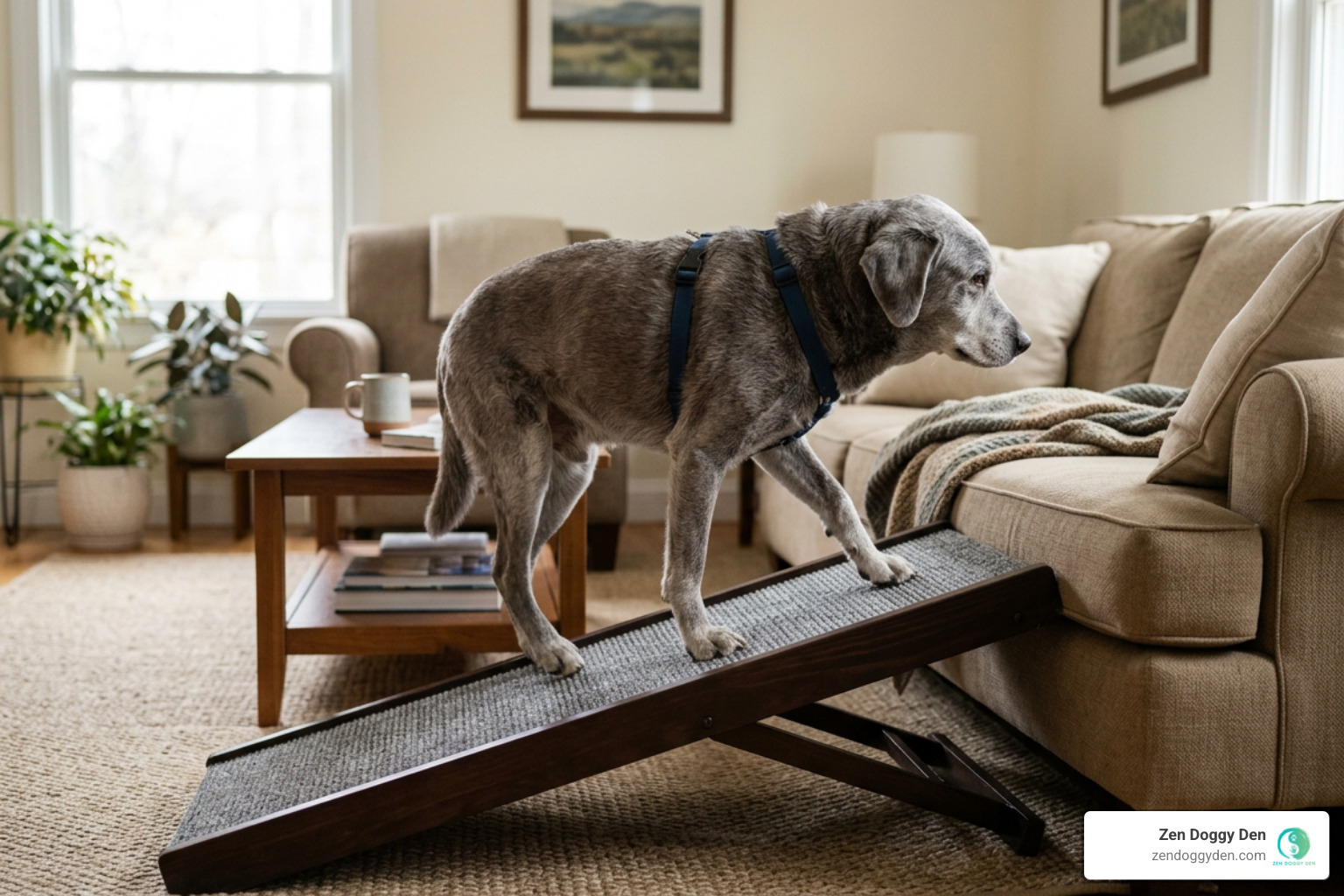
Osteoarthritis is the single most common chronic ailment affecting senior dogs. In Denver, cold winter temperatures and rapid barometric pressure swings can cause joint capsules to ache, making morning movement difficult. Cartilage naturally wears thin over years of mountain hiking and backyard play, leaving bone surfaces vulnerable to friction and inflammation.
Effective mobility management requires combining daily environmental modifications with modern clinical interventions.
Environmental Adaptations and Altitude Management
Modifying your home protects your dog’s joints and prevents traumatic slips or soft-tissue sprains.
- Traction Across Hard Surfaces: Hardwood, tile, and laminate flooring are hazardous for dogs with weakened hindquarters. Place non-slip runner rugs, interlocking foam mats, or yoga mats along primary traffic pathways, especially near food stations and sleeping areas.
- Ramps and Step Assists: Replace high-impact jumps onto furniture or into vehicles with sturdy, carpeted ramps. Teach your dog to use ramps calmly using balanced guidance and clear spatial cues.
- Climate and Moisture Control: Run whole-house or room humidifiers to counteract dry indoor heating during winter months. This keeps respiratory passages moist, eases breathing, and helps prevent airway irritation.
- Elevation and Winter Protection: When temperatures drop along the Front Range, use insulated dog jackets to keep arthritic spines warm on walks. Apply protective paw balms or fitted booties to shield sensitive pads from chemical ice melts, sharp gravel, and freezing sidewalks.
- Hydration Enhancements: Scatter multiple elevated water bowls throughout your living space. Adding bone broth or warm water to meals encourages fluid intake, protecting kidney function and joint lubrication.
Clinical Therapies and Pain Management Protocols
Veterinary medicine offers several targeted treatments for managing canine mobility and chronic arthritis pain:
- Monoclonal Antibody Injections: Medications like bedinvetmab (Librela) specifically target Nerve Growth Factor (NGF), interrupting pain signaling pathways associated with canine osteoarthritis without taxing liver or kidney filtration pathways.
- Non-Steroidal Anti-Inflammatory Drugs (NSAIDs): Medications such as carprofen, meloxicam, or grapiprant reduce systemic joint inflammation. Regular bloodwork ensures your dog’s liver and kidneys continue processing these medications safely.
- Class IV Cold Laser Therapy: Photobiomodulation uses therapeutic light wavelengths to stimulate cellular repair, boost local blood flow, and reduce soft-tissue inflammation around arthritic joints and spinal segments.
- Targeted Nutritional Supplements: Veterinary-grade joint supplements containing glucosamine hydrochloride, chondroitin sulfate, MSM, green-lipped mussel, and concentrated EPA/DHA omega-3 fatty acids help support cartilage elasticity and manage systemic inflammation.
- Physical Rehabilitation and Acupuncture: Professional canine physical therapists in the Denver area use underwater treadmills, passive range-of-motion routines, and targeted veterinary acupuncture to preserve muscle mass without placing excess stress on worn joints.
Daily Wellness Routines and In-Home Modifications for Older Dogs
A senior dog’s daily schedule should offer predictable comfort, moderate movement, and plenty of brain games to keep cognitive pathways sharp.
Senior Canine Life Stage Milestones by Breed Size
Aging rates vary dramatically across different breeds and body sizes. Understanding when your dog enters their senior and geriatric years helps you adjust exercise intensity, diet, and diagnostic frequency on time.
| Breed Category | Weight Range | Senior Stage Onset | Geriatric Stage Onset | Average Life Expectancy |
|---|---|---|---|---|
| Toy & Small Breeds (e.g., Chihuahua, Yorkie, Dachshund) | Under 20 lbs | 8 – 10 Years | 12+ Years | 14 – 17 Years |
| Medium Breeds (e.g., Beagle, Border Collie, Aussie) | 21 – 50 lbs | 7 – 9 Years | 10+ Years | 12 – 15 Years |
| Large Breeds (e.g., Labrador, German Shepherd, Golden) | 51 – 85 lbs | 6 – 8 Years | 9+ Years | 10 – 13 Years |
| Giant Breeds (e.g., Great Dane, Mastiff, Bernese) | 85+ lbs | 5 – 6 Years | 7+ Years | 7 – 9 Years |
Nutrition, Gentle Exercise, and Mental Enrichment
As physical activity naturally decreases, a dog’s metabolic rate slows down. Excess body weight places severe, unnecessary stress on arthritic joints and forces the heart to work harder in our thin mountain air.
- Calorie-Managed Diets: Transition to high-quality senior formulations featuring easily digestible proteins, balanced fiber profiles to assist digestion, and reduced caloric density to prevent obesity.
- Controlled, Low-Impact Exercise: Replace long hikes up steep foothill trails with two or three shorter, 15-minute flat walks each day. Stroll around gentle neighborhood parks like Crown Hill in Wheat Ridge or Sloan’s Lake in Denver, letting your dog set the pace.
- Mental Stimulation and Scent Work: Mental exertion burns energy cleanly without joint strain. Use snuffle mats, interactive puzzle boards, and hidden treat games around the living room.
- Structured Behavioral Refinement: If your older dog is showing signs of anxiety, vision-related insecurity, or newly developed reactivity around younger pets, our private training sessions provide balanced, clear communication that builds confidence without physical stress.
Frequently Asked Questions About Senior Dog Health in Denver
Senior care often raises questions about practical day-to-day management. You can always check our general faq page for facility guidelines, while the answers below address common health concerns for aging dogs in our region.
How often should my aging dog visit the veterinarian in Colorado?
Senior dogs should receive a comprehensive physical wellness examination at least once every six months. In Colorado’s dry, high-altitude climate, age-related conditions like chronic kidney disease, heart murmurs, and osteoarthritis can progress rapidly. Regular semi-annual visits paired with routine blood panels, urinalysis, and blood pressure checks allow your veterinarian to catch subtle shifts in organ function and adjust pain management protocols before your dog experiences discomfort.
What signs indicate my senior pet is struggling with Denver’s altitude?
Senior dogs struggling with Mile High elevation often exhibit persistent, heavy panting even at rest, a dry hacking cough (especially at night or after waking), lethargy, and a clear reluctance to walk. Incline walking may trigger rapid fatigue or weakness in the hind legs. If your dog shows sudden weakness, pale or bluish gums, or severe respiratory distress, seek immediate emergency veterinary evaluation, as these signs can indicate underlying congestive heart failure or severe pulmonary hypertension.
When is a dog officially considered a senior based on breed size?
A dog’s entry into their golden years depends largely on their adult body size and genetic background. Giant breeds like Great Danes and Mastiffs reach senior status between 5 and 6 years of age. Large sporting and working breeds (50 to 85 pounds) enter their senior stage around 6 to 8 years. Medium breeds transition between 7 and 9 years, while toy and small breeds often maintain adult vitality until 8 to 10 years of age. Senior care planning should begin as your dog approaches these milestones.