
How to Choose a Safe Dog Care Hotel
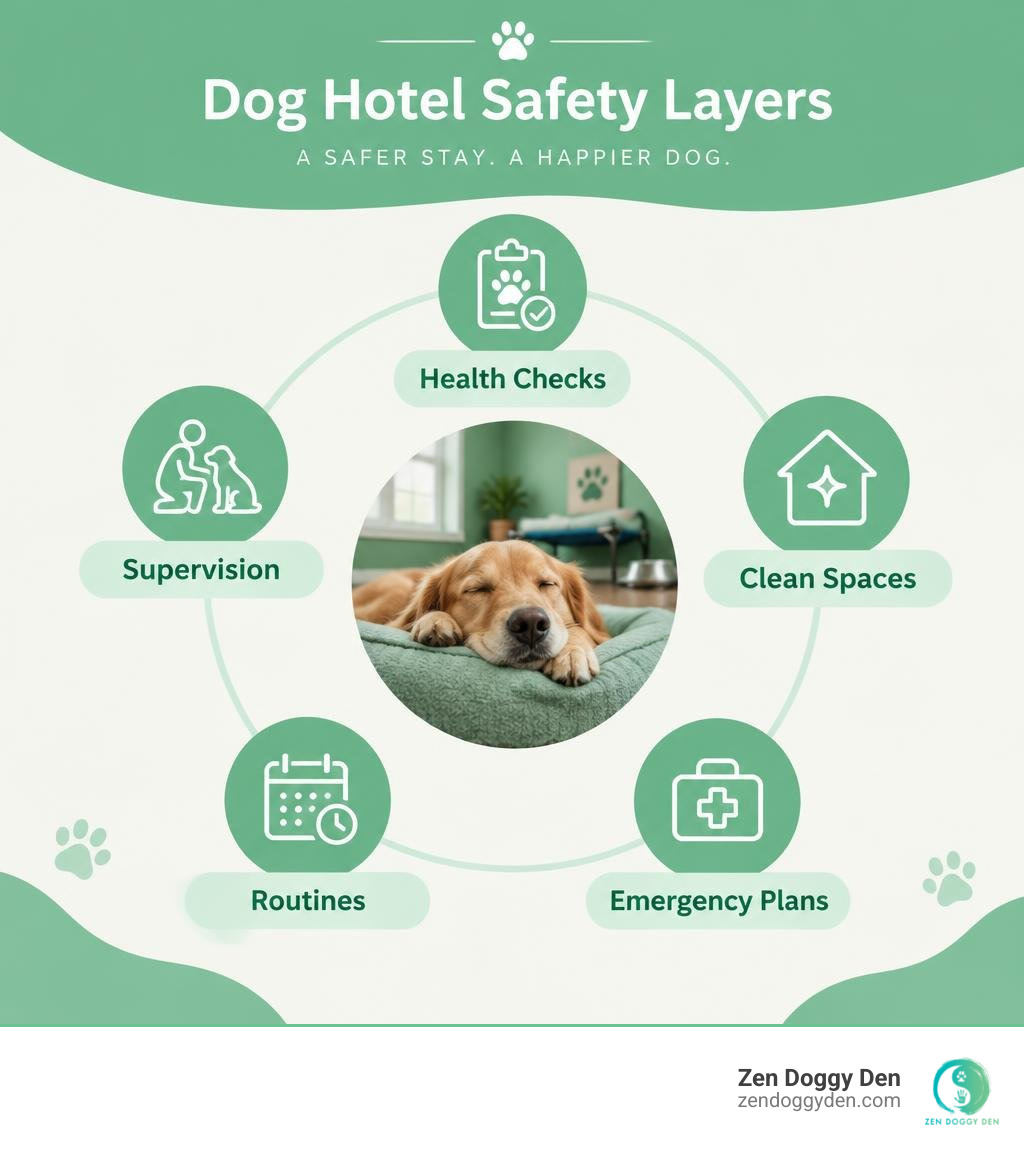
A dog care hotel should give your dog a safe place to rest, a daily routine, and care that fits their needs. Before you book, ask to see the sleeping area and play spaces. Check how staff verify vaccinations, supervise dogs, clean shared areas, and handle medical emergencies. Then compare the full price, including playtime, medication, holiday fees, and late pickup.
The best fit is not always the fanciest room. A dog who needs quiet time may do better with a private space and a steady schedule than with nonstop group play. I’m Julie McLean, and I’ll help you sort through the questions that matter most before your next trip.
Choosing the Right Dog Care Hotel: Accommodations and Care Models Compared
When we begin searching for care while traveling, we quickly realize that the pet hospitality world has grown far beyond simple wire cages and concrete runs. Modern pet resorts offer everything from standard suites to full boutique canine resorts with specialized comfort features.
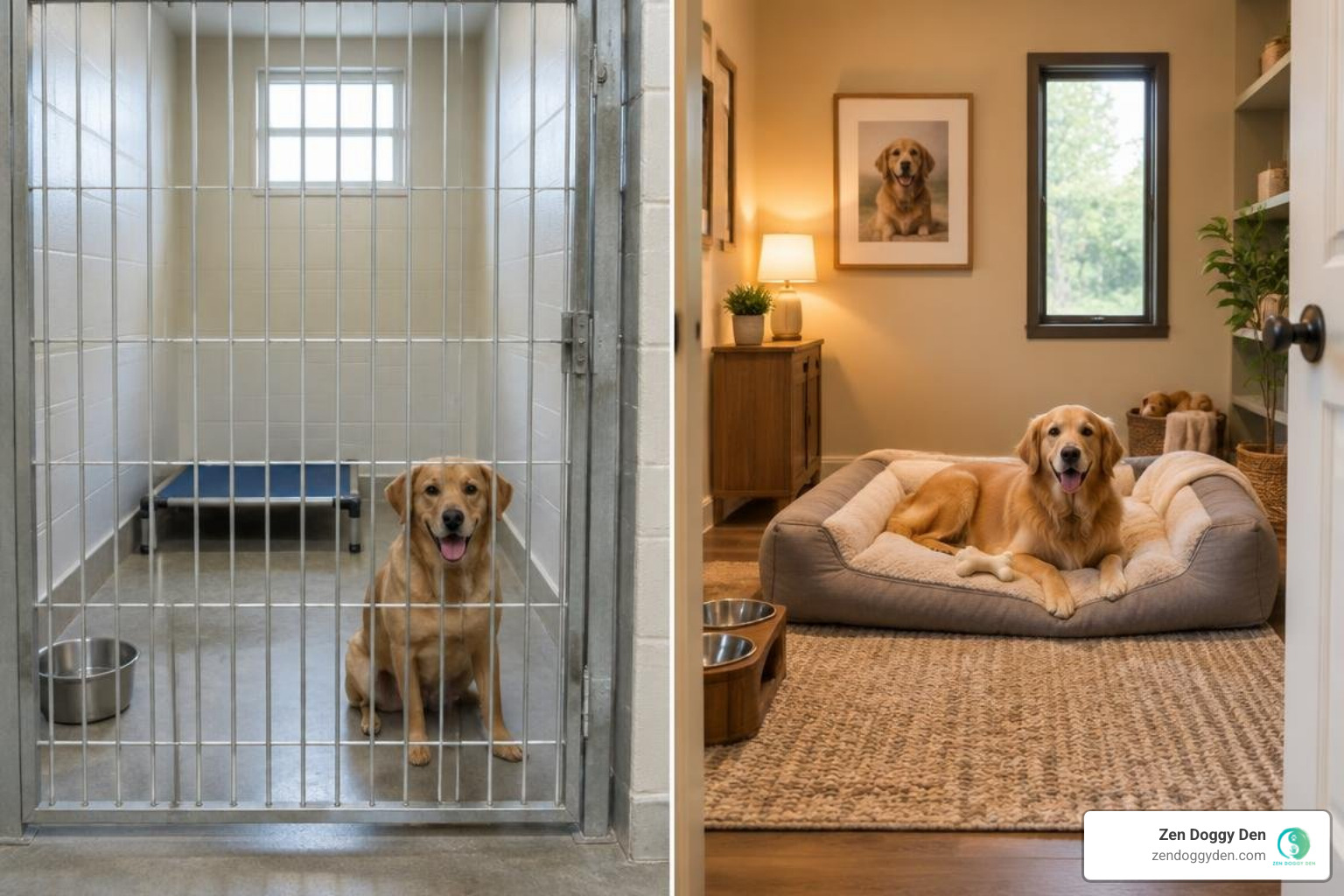
Different facilities build their rooms to meet various pet personalities. Some dogs thrive in active, bustling environments, while others need low-stimulus environments with private walls and specialized acoustic buffering. According to UC Davis School of Veterinary Medicine guidance on choosing boarding facilities, an ideal boarding facility must prioritize sanitation, proper ventilation, physical safety, and stress reduction.
| Accommodation Type | Typical Space & Layout | Best Suited For | Key Features & Amenities |
|---|---|---|---|
| Standard Kennels | 4×6 ft enclosed indoor run with secure gating | High-energy dogs who do well in lively environments | Easy-to-sanitize surfaces, basic bedding, scheduled outdoor potty walks |
| Luxury Suites | 8×8 ft or larger private rooms with solid walls | Dogs prone to noise anxiety, bonded pairs, seniors | Raised orthopedic beds, private webcams, TV/music, soundproofing |
| Boutique Canine Resorts | Specialized private suites with home-like layouts | Dogs needing low-stress spaces, structured routines | Individualized play, climate control, custom exercise rotations |
Standard Kennels vs. Luxury Dog Care Hotel Suites
Choosing between a standard kennel and a luxury suite comes down to your dog’s individual temperament and daily habits. Standard kennels provide clean, secure, and functional spaces for dogs to rest between exercise sessions. However, the open-air barred doors mean dogs can see and hear their neighbors, which can increase barking and arousal levels for sensitive pups.
Luxury suites offer solid walls, which significantly cut down on noise and visual triggers. These rooms often feature raised orthopedic bedding to support joints, calming music or television, and dedicated webcams so you can check in anytime. For pet parents wanting customized care, exploring modern dog boarding options helps match your pup with an environment that feels like a relaxing retreat rather than a chaotic holding space.
Activity Schedules and Daily Rotation Protocols
A great facility is defined by what happens outside the sleeping suites. Nonstop, chaotic group play can lead to physical exhaustion, overstimulation, and behavioral friction. That is why professional resorts utilize structured daily schedules that balance high-energy play with purposeful rest.
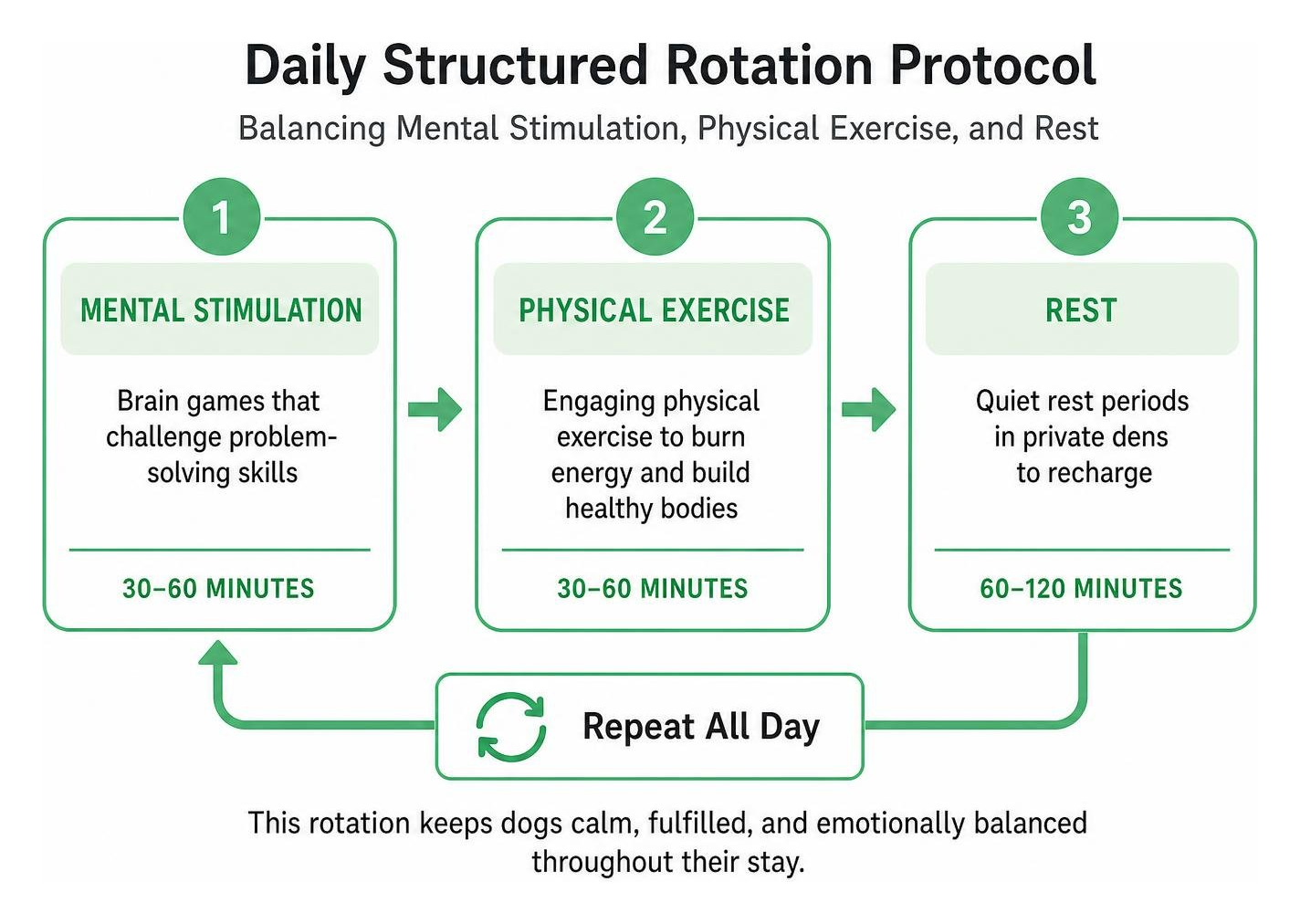
At Zen Doggy Den, our core approach relies on a structured rotation protocol that balances mental and physical activity for dogs. We alternate between engaging physical exercise, brain games that challenge problem-solving skills, and quiet rest periods in private dens. This method keeps dogs calm, fulfilled, and emotionally balanced throughout their stay. Whether a dog joins us for the day or an extended visit, our daycare schedule ensures every dog receives proper rest alongside social play. When researching facilities, look for properties that emphasize dedicated yards and balanced routines to keep your dog comfortable and safe.
Core Safety, Health, and Medical Standards at Modern Pet Resorts
Safety requires strict daily operational standards. When touring potential facilities across Wheat Ridge, Denver, Lakewood, Arvada, and Boulder, look closely at their cleanliness routines, ventilation setups, and staff credentials.

To evaluate a building’s overall safety standards, consult our comprehensive guide to finding safe pet facilities before making a reservation.
Health Protocols and Safety Measures in a Dog Care Hotel
Disease prevention starts well before drop-off day. Trustworthy pet resorts enforce strict vaccination rules to maintain herd health within the facility.
- Rabies: Required by state and local laws for all dogs over 16 weeks of age.
- DHPP/DA2PP: Protects against Distemper, Hepatitis, Parvovirus, and Parainfluenza.
- Bordetella: Protects against canine infectious respiratory disease (kennel cough), typically required every 6 to 12 months.
- Canine Influenza (H3N2/H3N8): Highly recommended or mandatory depending on regional outbreaks and facility density.
- Fecal Screening: Regular negative fecal tests ensure internal parasites are not brought into communal play spaces.
In addition to vaccine checks, leading facilities invest heavily in environmental sanitation. High-tech facilities implement commercial-grade air purification, UV air sanitation, and antimicrobial flooring to eliminate airborne pathogens and bacteria. Daily deep cleaning routines with veterinary-grade disinfectants keep play equipment, sleeping areas, and food bowls sanitized.
Emergency Protocols, Medication, and Senior Pet Care
Medical preparedness separates standard kennels from exceptional pet resorts. Facilities should maintain direct relationships with local 24-hour veterinary emergency hospitals and have clear transport protocols in place.
Staff must be trained to administer prescribed medications accurately, including pills, topical treatments, and supplements. Everything should be logged in real-time with timestamps and staff signatures. Senior dogs, in particular, require gentle handling, non-slip flooring, orthopedic bedding, and frequent relief walks to maintain comfort and mobility. If you have an older companion, finding specialized loving care for aging canines ensures their golden years are respected with tailored pacing and watchful supervision.
What to Expect: Pricing, Evaluation Tests, and Check-In Guidelines
Checking your dog into a pet hotel should be an organized, transparent process. Understanding what happens behind the scenes helps eliminate first-day stress for both you and your pup.
To learn more about check-in steps, read our walkthrough on what to expect during boarding to arrive fully prepared.
Behavioral Assessments, Breed Policies, and Pack Matching
Reputable dog hotels conduct thorough behavioral evaluations before admitting a dog into group play or open boarding. During a trial day or temperament assessment, trained staff evaluate:
- Social Comfort: How the dog greets human staff and accepts gentle handling.
- Dog-to-Dog Communication: Body language cues during nose-to-nose introductions and small group interactions.
- Resource Guarding: Reactions around toys, food bowls, and private sleeping quarters.
- Stress Signals: Signs of barrier frustration, pacing, or separation anxiety.
Dogs are grouped by size, energy level, and play style to create harmonious playgroups. Some facilities have specific breed policies or require dogs over six to seven months old to be spayed or neutered for communal play.
If your dog needs to brush up on manners, impulse control, or leash skills while you travel, combining your stay with a professional board and train program is an effective way to achieve real behavioral progress. We work with balanced training methods, utilizing appropriate training tools in an educated, professional setting to help dogs build clarity, obedience, and confidence.
Pricing Structures, Holiday Surcharges, and Cancellation Terms
Boarding rates vary based on room size, facility amenities, and geographic location across the Denver Metro Area. Standard rooms typically start around $50 to $75 per night, while luxury suites can range from $85 to $140 or more per night.
Be sure to ask about additional fees that may appear on your final invoice:
- Peak and Holiday Surcharges: Many facilities apply a $10 to $30 nightly surcharge during major holidays.
- Medication Administration: Some facilities charge $3 to $10 daily for complex medication routines.
- Late Pickup Fees: Checking out after a specified morning cutoff (such as 12:00 PM) may convert your stay into a daycare charge.
- Deposits and Cancellations: Peak periods often require a 50% deposit with a strict 7 to 10 day cancellation notice.
Essential Packing Checklist for Boarding:
- Pre-portioned Food: Pack your dog’s regular food in individual baggies labeled by meal to avoid digestive upset.
- Medications: Keep prescriptions in their original veterinary bottles with clear dosage instructions.
- Familiar Item: A small blanket, unwashed t-shirt with your scent, or a favorite flat toy.
- Collar with ID: A secure quick-release collar with current contact tags.
Frequently Asked Questions About Boarding Your Dog
How do pet hotels handle dietary requirements and medication?
Facilities require owners to provide their pet’s normal diet to avoid gastrointestinal upset. Meals are stored in temperature-controlled kitchens equipped with refrigerators and freezers for raw or fresh food diets. Staff log every meal and administer oral or topical medications on precise schedules, noting dosages in your dog’s digital care file.
How can I monitor my dog while traveling?
Modern facilities offer several communication channels to keep you connected with your pet. High-end suites often feature private, high-definition webcam streams accessible via your smartphone. Many resorts also send daily digital report cards complete with photos, behavior notes, and activity summaries so you can watch your dog enjoy their stay.
What happens if my dog fails the temperament test?
If a dog struggles in large group play, it does not mean they cannot be boarded safely. Quality resorts offer individual care programs featuring one-on-one play sessions with human staff, solo sniff walks, and puzzle enrichment. For dogs needing extra help with social manners or reactivity, our team can work with your pup during their stay using balanced training tools to help them learn calmer social boundaries.
Pre-Boarding Checklist and Reservation Timelines
Securing a reservation requires advance planning, particularly during peak holiday travel periods and summer months when boutique facilities reach full capacity.
Follow these scheduling benchmarks to guarantee a smooth intake:
- Four Weeks Prior: Schedule a temperament assessment or trial daycare visit to introduce your dog to the facility layout and staff.
- Two Weeks Prior: Contact your veterinarian to update core vaccinations, including Bordetella, Rabies, and DHPP, and obtain written confirmation.
- One Week Prior: Pre-portion regular daily meals in individual containers or zip bags to avoid sudden dietary changes.
- Drop-Off Day: Bring current prescription medications in original labeled bottles along with a clean, familiar comfort item.
Pet owners across Wheat Ridge, Denver, Lakewood, Arvada, and Boulder can check availability and tour our dedicated den accommodations by exploring our local daycare and boarding options.